

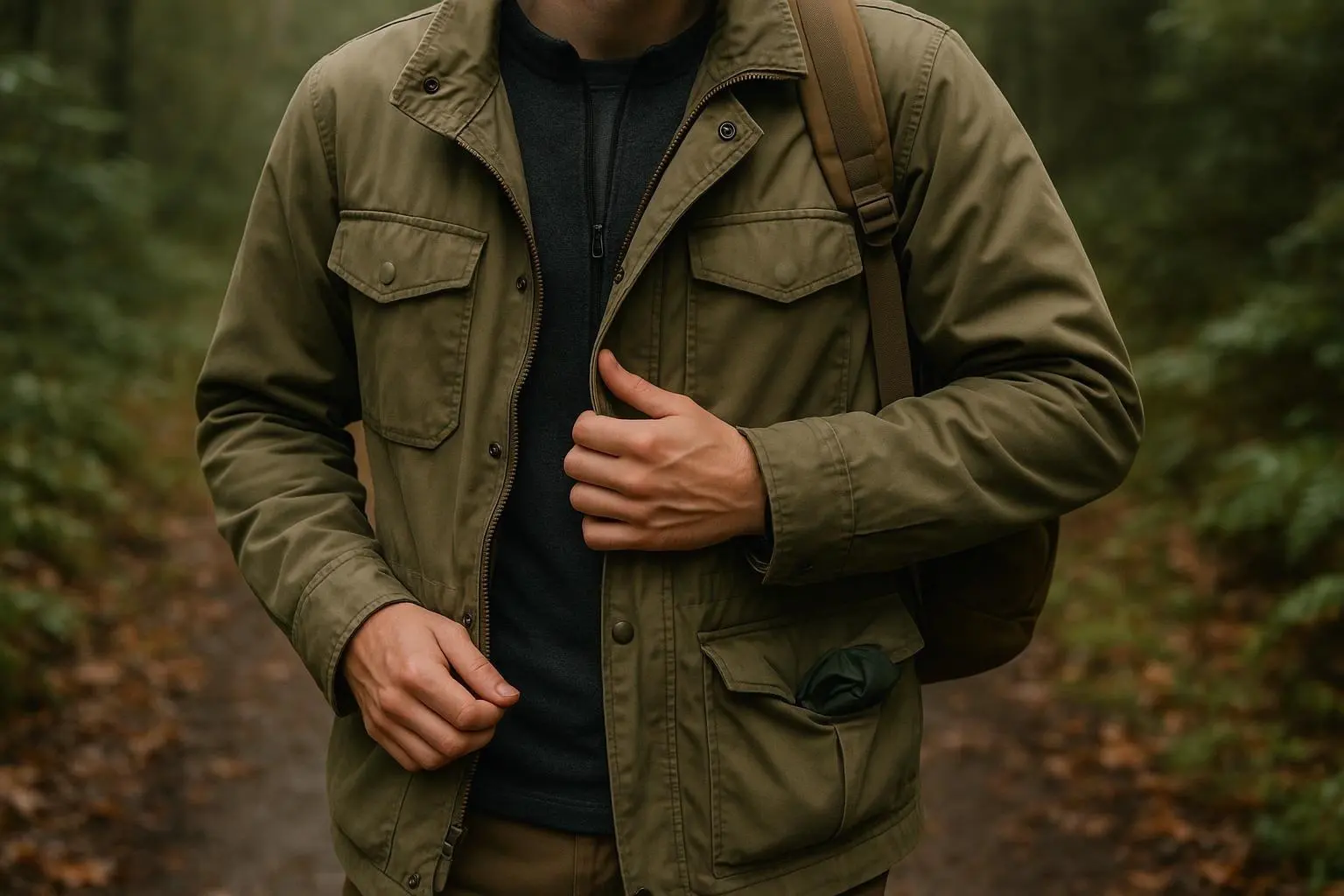
Mastering the Art of Layering a Surplus Field Jacket, for Damp Shoulder-Season Hikes
As you go outside during the cooler in-between seasons there is a line between being comfortable and being uncomfortable. Wearing a heavy field jacket with the layers can lead to a sweaty walk of a fresh hike. The idea of layering is to avoid getting wet taking long to dry and feeling uncomfortable when you're on the trails. A smart way to layer can make your hiking better even if the field jacket isn't made for rain.
Understanding the Jackets Functionality
At its heart a field jacket is your defense against the weather with places to put things and some wind protection. How well your jacket works depends on the material, the inside the way it closes and how you have taken care of it over time. Different jackets work better in kinds of weather: some might be good when it is cold and dry while others can handle a rain. Also being old can make a jacket less water-resistant.
When it looks like it will rain it's an idea to keep a waterproof jacket.. For those days with a little rain your field jacket can be the best choice over the right base and middle layers.
Remember that things are not always what they seem; a jacket that looks clean might be wet inside or have a broken coating while an older jacket might still work well.
Preparing Your Jacket for Adventure
Before you start your hike check your field jacket carefully. Lay it down. Look at the stitching on the shoulders the edges of the sleeves and the corners of the pockets. Check the zippers the way the buttons work and if the hood or any liners are attached properly. Pull on the fastenings-if you see threads or missing buttons it's time to fix them. You don't want these problems to happen out in the wild.
Inside check for problems like peeling parts or a bad smell. If the strange smell stays after you wash it your jacket needs care. Be careful not to scrub being too rough can damage the fibers and coatings.
Next make sure the jacket fits well. Try it on over a sweater or a fleece lift your arms to see how it moves. You want to avoid any spots that might get caught on branches while on the trail. Also wear your backpack while checking the fit-nothing is worse than a collar that moves up or pockets that get in the way when you are carrying things.
Layering for the Best Comfort
Start with a base layer that takes away sweat and fits close without stopping you from moving. Look for materials that dry quickly when you are climbing. Merino wool can be nice. Keep your temperature right. It might take longer to dry. Cotton feels soft when you are at camp. Its not good for moving
For warmth add some insulation. Only if you need it. A light fleece or a thin insulated vest gives you space. Keeps the size small. A vest lets you move your arms freely while a full fleece is great when you are standing in wind.
At first you should feel a little cold-if you are warm before you start hiking your sweat management might not be good once you start climbing.
Ventilation Methods to Think About
Before you start to feel wet make sure to let the air in. Unzip your jacket a bit. Loosen the sleeves when you are climbing. If you are on an area or taking a break in the wind keep the jacket on for protection.
Be careful not to fill your pockets heavy items can swing around and put more stress on the fabric and seams. Only close up your jacket for wind when you really need to. Closing everything might help keep out the wind. It can also make you sweat inside.
Before you go on a day hike ask yourself:
– Can you get rid of the layer without digging through your bag?
– Can you open the zipper with one hand while climbing?
– Is there a dry layer easy to reach in your backpack?
– Does the outside material feel flexible and not too wet?
– Will your waterproof jacket fit well over the field jacket if the weather changes?
Keep Your Jacket Safe from Damage
Backpacks can hurt your jacket without you knowing it. Watch the areas that might rub against the straps-thin parts or shiny spots show wear. Before you go on the trail try on your pack with your jacket. Reach around to make sure it doesn't get stuck or stop you.
Be careful with things or too full pockets that can stretch the material. Keep things like gloves away from your jacket so that wetness doesn't spread when you stop.
If you're walking through plants think about wearing a layer to avoid getting caught and to move easier. Your clothes should help you not get in your way.
Taking Care of Your Jacket After the Hike
After your adventure empty your pockets. Hang the jacket in a place with air away from direct heat. Never leave it balled up in a bag or in your car for long. If your jacket has a removable inside part take it out. Let each part dry by itself to stop mildew from growing.
Always follow the care instructions. If you can't find them use the way. Strong soaps and rough cleaning can hurt the material. Ruin the protection it gives.
Once its dry check your jacket again for any fixes. Catch any threads or broken zippers before your trip. Store it in a place without squishing it and leave the pockets open a little to let air in.
Knowing When to Change Layers
Even though a field jacket is strong and useful in changing weather it has limits. It's not the best for rain, fast trails, hot days or long hikes with shelter. Weight, drying time and how much it takes up are important in these cases.
For walks use a breathable base layer. Only add a little warmth when you need it. Your field jacket should be your go-to for rain and wind with a rain jacket, for when the weather gets worse. Looks are nice. Comfort and what works should be your choice when picking your hiking clothes.